
Regular dental checkups for children are crucial to their overall health. They help in early detection of dental issues, prevent serious problems, and instill good oral hygiene habits. In this article, we’ll explore the importance of regular dental checkups for children and how they benefit your child’s long-term dental health.
Key Takeaways
- Regular dental checkups for children help build trust and comfort with pediatric dentists, reducing dental anxiety and promoting positive oral health habits.
- Early detection of dental issues through routine visits allows for easier treatment and prevents invasive procedures, ensuring children maintain healthy smiles.
- Parents play a crucial role in establishing good oral hygiene habits in their children by scheduling regular visits, addressing misconceptions, and encouraging responsibility towards dental care.
Building Trust with Pediatric Dentists
A dental home is more than just a clinic; it’s a place where your child feels comfortable and you can build rapport with the dentist. Regular dental visits play a crucial role in establishing this trusting relationship, which significantly reduces dental anxiety for young patients.
Initiating dental visits early helps lay the foundation for good oral health. When children visit the dentist regularly, they become familiar with the dental environment and procedures, making future visits less intimidating. This trust promotes lifelong good oral health habits, ensuring your child maintains healthy teeth well into adulthood.
Child-Friendly Dental Environment
Pediatric dental offices are intentionally designed to create a welcoming atmosphere that comforts young patients. These offices often incorporate playful designs and vibrant colors to make the environment feel less clinical and more friendly.
Familiarizing children with the dental environment before their visits can significantly ease their anxiety. Familiarization opportunities, such as pre-visit tours or meet-and-greet sessions with the dentist, make dental visits less intimidating for children. This child-friendly approach ensures that dental care is a positive experience from the very beginning.
Role of Pediatric Dentists
Pediatric dentists are specialists in providing dental care tailored to children’s unique needs. After completing dental school, they undergo an additional two to three years of specialized training at the academy of pediatric dentistry that focuses on pediatric dentistry, dental and craniofacial research, development, and psychology of children. This specialized training equips pediatric dentists with the skills to identify and treat issues related to teething, alignment, and bite, which are common in growing children. Their expertise ensures that young patients receive the best possible care for their dental health.
Moreover, pediatric dentists are trained in child psychology, which enhances their ability to interact with children positively and effectively. This training helps create a positive dental experience, encouraging children to develop good oral hygiene habits from an early age.
Early Detection of Dental Issues

Early detection of dental issues is crucial in preventing severe complications later on. The American Dental Association recommends that children should ideally have their first dental visit by their first birthday or within six months of their first tooth coming in. Regular dental visits are linked to reduced dental issues and improved oral health in adulthood.
Routine dental checkups allow for the early identification of potential issues, which can be treated more easily and effectively. Early detection minimizes the risk of severe dental complications, ensuring your child’s dental health and a healthy smile. Regular dental checkups for children are essential for maintaining overall dental health.
Preventive Care Measures
Preventive care is a cornerstone of maintaining good oral health. Fluoride treatments performed early on can significantly enhance tooth protection against cavities, making them an essential part of pediatric dental care. Additionally, dental sealants are an effective preventive measure that shields young teeth from decay and cavities.
Daily flossing is another crucial aspect of preventive care. It helps in preventing gum disease and cavities between teeth, areas that are often missed by brushing alone. Incorporating these preventive measures into your child’s routine can make a significant difference in their dental health.
Avoiding Invasive Treatments
Tracking the development of teeth through regular checkups can help identify any early signs of abnormal eruption patterns. When a tooth appears to be erupting incorrectly, addressing these issues promptly prevents the need for invasive treatments later.
Delaying the detection of dental issues can lead to more severe problems that require complex treatments. Regular dental visits promote a more comfortable experience for your child by minimizing the need for invasive procedures.
Establishing Good Oral Hygiene Habits

Establishing good oral hygiene habits from an early age is crucial for maintaining dental health throughout life. Early dental visits play a significant role in instilling these habits. When children learn the importance of oral hygiene early on, they are more likely to maintain these practices into adulthood.
Children who start dental care early develop a positive attitude towards oral hygiene, which contributes to a child’s smile. This positive attitude helps them avoid dental problems in the future, ensuring they have fewer dental issues as they grow older.
Establishing good oral hygiene habits early allows children to enjoy a lifetime of healthy teeth and gums, free from complications, and supports their child’s oral health while preventing poor oral health and fostering positive habits.
Proper Brushing Techniques
Proper brushing techniques are vital for maintaining children’s dental health. Pediatric dentists educate both children and parents on the correct way to brush teeth, ensuring that all areas are cleaned effectively. This education is crucial for developing good oral hygiene habits that last a lifetime.
In addition to teaching proper brushing techniques, pediatric dentists provide preventive care measures such as fluoride treatments and dental sealants. These treatments protect young teeth from decay and ensure that children maintain healthy smiles.
Importance of Flossing
Flossing is an essential part of dental hygiene that should begin when a child has two touching teeth, typically around ages 2 to 3. While children generally require assistance with flossing until they are between 8 and 10 years old, it is crucial for removing plaque and debris from areas that toothbrushes can’t reach.
Daily flossing for 2 to 3 minutes is recommended for maximum effectiveness. This practice helps control bad breath and polish the surfaces of the teeth, contributing to overall oral health, a healthy smile, and effective flossing techniques.
Dietary Advice for Oral Health
A balanced diet low in sugar is vital for children’s oral health. Limiting sugary snacks and drinks reduces the risk of tooth decay and supports overall dental wellness. Encouraging a diet high in fruits and vegetables can significantly lower the risk of cavities in children.
Recommendations for children’s toothbrushing:
- Use a toothbrush with soft bristles to protect their gums and make brushing more effective.
- Use a pea-sized amount of fluoride toothpaste.
- Brush for at least two minutes twice daily to effectively remove plaque.
Monitoring Growth and Development
Regular dental checkups are essential for tracking the growth and development of child’s teeth and jaw. These checkups provide an ongoing record of oral development, ensuring that any potential problems with children’s teeth and permanent teeth are identified and addressed promptly.
By monitoring growth and development, dental checkups help ensure that any abnormalities are addressed promptly. This proactive approach helps maintain good oral health and prevents future dental issues.
Tooth Eruption Patterns
Tracking the timing and sequence of tooth eruptions is crucial for identifying developmental delays or irregularities. Regular dental checkups ensure that tooth eruption is monitored and any issues are addressed promptly.
Identifying irregularities in tooth eruption can lead to timely interventions that prevent further dental complications. By regularly monitoring tooth eruption patterns, you can ensure your child’s dental health is on the right track.
Speech Development
Healthy teeth play a significant role in clear speech development. Dental health issues can lead to challenges in speech clarity for children, affecting their ability to produce certain sounds. Regular dental checkups ensure that your child’s teeth are in good condition, supporting proper speech development and overall communication skills.
Planning for Orthodontic Needs
Assessing dental health early allows for proactive planning of orthodontic treatments when necessary. Early dental assessments can identify the need for braces or other orthodontic interventions, allowing for timely corrective measures that are less invasive and more effective.
Planning for a child’s long-term dental health allows dental professionals to forecast potential issues and advise on preventive strategies. This proactive approach ensures that any orthodontic needs are addressed promptly, contributing to a lifetime of good oral health.
Overcoming Dental Anxiety

Children can develop dental phobia from fears, past negative experiences, or a lack of trust in dentists. Regular visits to the dentist can help children avoid developing dental fears, as early exposure to the dental environment builds comfort and prevents dental anxiety.
Frequent dental visits not only help children become familiar with the dental environment but also build a positive relationship with their dentist. This familiarity and trust reduce anxiety during dental procedures, ensuring that children have a positive outlook on dental care.
Positive Reinforcement
Using rewards and positive reinforcement during dental visits encourages children to develop a positive view of dental care. This approach not only helps maintain oral health but also contributes positively to a child’s self-esteem and confidence.
By making dental visits a rewarding experience, children are more likely to look forward to their appointments and maintain good oral hygiene habits.
Gradual Exposure
Introducing children gradually to dental procedures can significantly lower their anxiety levels. By treating children to become familiar with dental procedures over time, children feel less apprehensive and more confident.
This step-by-step approach fosters a positive outlook toward dental care and promotes lifelong good oral health.
The Role of Parents in Dental Health
Parents play a significant role in influencing their children’s dental health through their knowledge and behaviors regarding oral hygiene. By setting a good example and encouraging regular dental visits, parents can help their children understand the importance of personal responsibility for their oral health.
Dental visits provide crucial educational support for children, emphasizing the importance of regular oral hygiene practices. This support helps inculcate good oral hygiene habits that last a lifetime, ensuring that children maintain healthy teeth and gums.
Scheduling Regular Visits
Incorporating regular dental checkups into family routines can significantly enhance children’s oral health outcomes. Integrating dental visits into the family routine teaches children the importance of maintaining good oral health, increasing the likelihood they will continue these practices into adulthood.
Encouraging Children
Involving children in their dental care can help inculcate a sense of responsibility toward their oral hygiene. Engaging children in their dental care routines fosters a sense of responsibility towards maintaining their oral hygiene. Reward systems during dental visits can create a favorable perception of dental care in children.
Offering children a choice of rewards can enhance their motivation to cooperate during dental visits. Rewarding children after dental visits can enhance their perception of dental care and encourage positive associations, fostering lifelong healthy habits.
Addressing Misconceptions
Misunderstandings about the significance of baby teeth can lead to neglecting necessary dental care for young children. Many parents mistakenly believe that baby teeth do not require care since they will eventually fall out. It is essential to address these misconceptions to ensure parents prioritize their child’s dental health.
Long-Term Benefits of Regular Dental Checkups
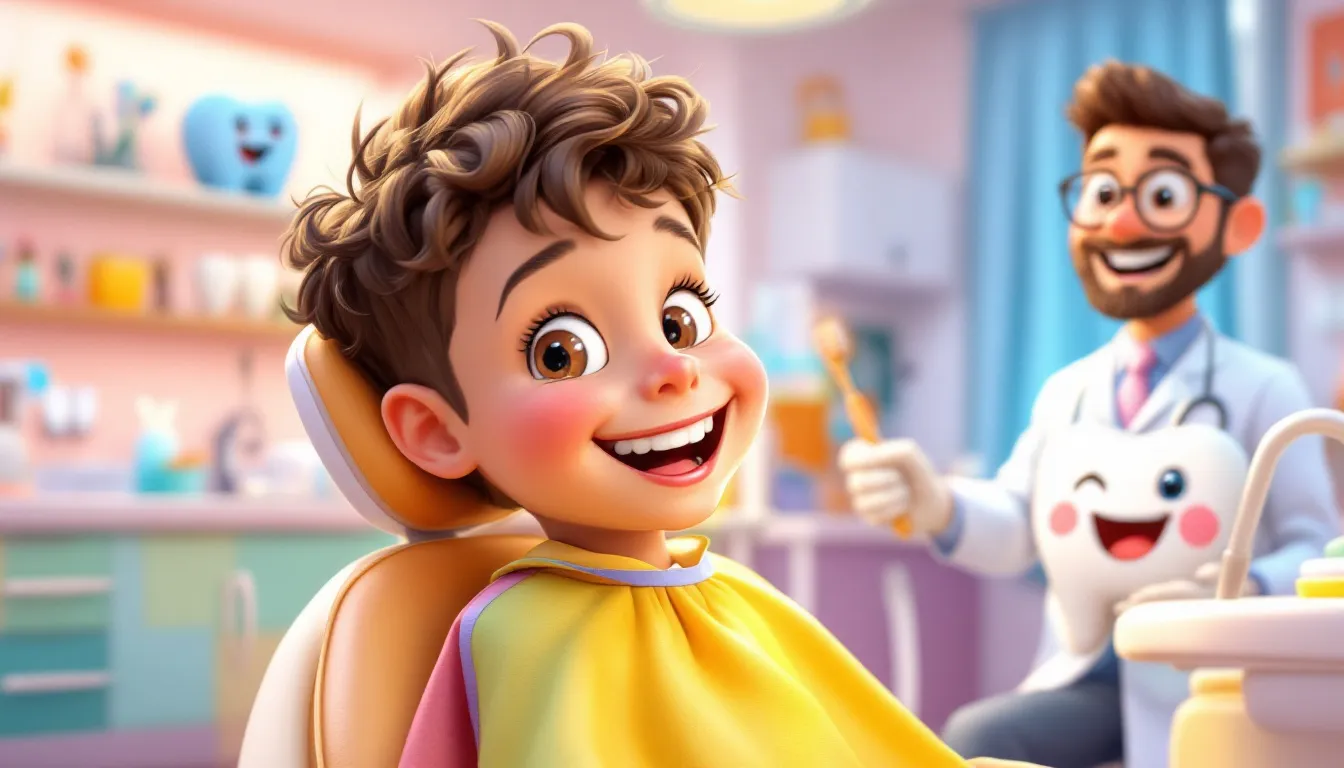
Regular dental visits help instill lifelong oral hygiene practices in children. Addressing dental concerns early helps to minimize the chances of extensive interventions in the future, ensuring that children maintain good oral health throughout their lives.
Consistent dental visits help maintain oral health and can reduce long-term costs associated with dental treatments. Regular checkups prevent problems and promote long-term dental health, ensuring children grow up with healthy teeth and gums.
Lifelong Dental Health
Regular dental visits and routine dental visits help build a trusting relationship between young patients and pediatric dentists, reducing dental anxiety and promoting lifelong good oral health. These checkups reinforce healthy habits and educate children and parents on maintaining good oral health.
Education on proper brushing techniques and flossing helps prevent plaque buildup and maintain overall dental health. Professional advice on a balanced diet supports good oral hygiene by reducing the risk of cavities and other dental issues.
Preventing Serious Problems
Early dental visits are critical in preventing serious dental problems later in life. Addressing dental issues early allows for timely intervention, preventing serious complications and ensuring that children maintain good oral health.
Enhancing Overall Well-Being
Regular dental checkups lead to long-term benefits, including overall health and a lifetime of healthy smiles. Establishing a foundation of good oral hygiene practices during childhood promotes lifelong dental health and contributes positively to children’s overall well-being.
Professional dietary advice provided during dental visits supports good oral hygiene by enhancing nutrition and reducing the risk of cavities. Additionally, healthy teeth are essential for speech development, and regular checkups help maintain dental health, supporting proper speech.
Contact Towne Dental Today!
At Towne Dental, we are committed to providing the best dental care and checkups for your child. Our team of experienced pediatric dentists understands that children have unique dental needs, and we focus on creating a comfortable, welcoming environment where kids feel safe and cared for. From routine exams and cleanings to preventive treatments, we prioritize your child’s dental health and overall well-being.
We believe that early dental care sets the foundation for a lifetime of healthy smiles. By establishing good oral hygiene habits and monitoring dental development, our team can prevent potential problems before they start, helping your child maintain a healthy, confident smile as they grow.
Scheduling a dental visit with Towne Dental is easy, and our friendly staff is here to answer your questions and guide you through every step of your child’s dental journey. Take the first step today toward ensuring your child’s dental health and enjoy peace of mind knowing they are in expert hands.
Summary
Regular dental checkups are essential for ensuring your child’s dental health and overall well-being. By building trust with pediatric dentists, detecting issues early, establishing good oral hygiene habits, and involving parents, we can ensure a lifetime of healthy smiles for our children. Take the first step towards maintaining your child’s dental health by scheduling a dental visit today.
Frequently Asked Questions
When should my child have their first dental visit?
It’s best to schedule your child’s first dental visit by their first birthday or within six months after their first tooth appears. Getting a jump on dental care sets them up for a healthy smile!
How can I help my child overcome dental anxiety?
To help your child overcome dental anxiety, schedule regular visits to the dentist and use positive reinforcement. Gradually exposing them to dental procedures can also make a big difference.
Why are baby teeth important if they eventually fall out?
Baby teeth are important because they help with speech development and proper chewing, and they also hold the space for permanent teeth. Taking good care of them is essential to avoid future dental problems.
What preventive care measures are available for children?
To keep your child’s smile healthy, make sure to include fluoride treatments, dental sealants, and teach them proper brushing and flossing techniques. These simple steps can significantly protect against cavities and promote good oral health.
How often should my child visit the dentist?
Your child should visit the dentist every six months to keep an eye on their teeth and catch any issues early. Regular checkups help ensure they maintain good oral health!