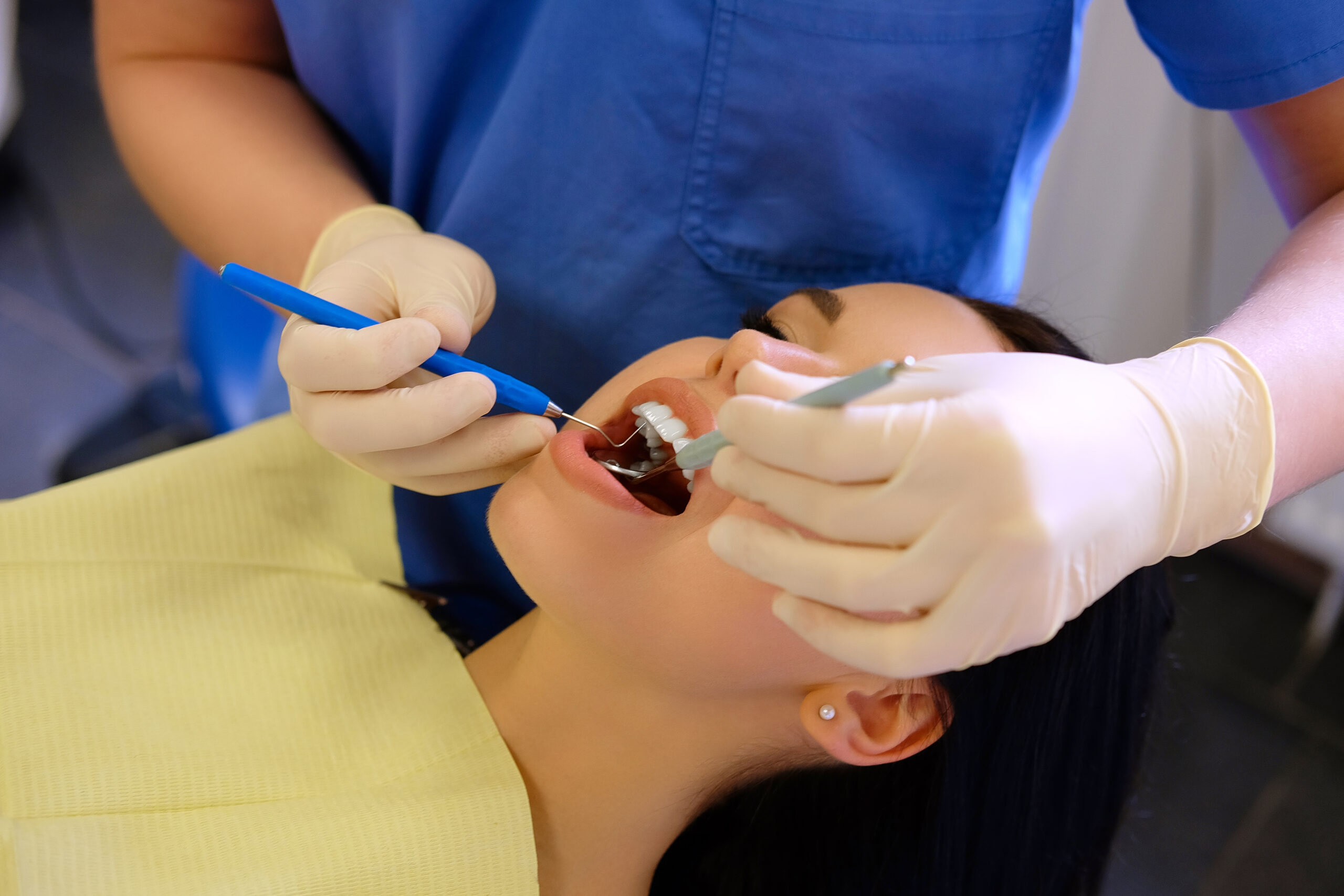
Oral surgery is often recommended not just to fix an immediate issue, but to protect your dental health for the next 5, 10, or even 20 years. When your dentist or oral surgeon suggests a surgical procedure, they’re frequently looking ahead, anticipating problems that haven’t developed yet but are likely to cause significant trouble if left unaddressed.
Common preventive procedures like wisdom teeth removal, dental implants, bone grafting, corrective jaw surgery, and periodontal surgery can stop infections, bone loss, and chronic pain before they begin. Addressing these dental issues early means avoiding more invasive, costly, and painful treatments later. This article focuses specifically on prevention, how timely oral surgery can reduce your need for major interventions in the future, and help you maintain optimal oral health throughout your life.
Understanding Oral Surgery and Early Intervention
Oral surgery refers to a range of surgical procedures performed by specialists trained to address problems in the teeth, gums, jaw, and facial structures. An oral and maxillofacial surgeon completes years of training beyond dental school, including hospital-based residency programs, to handle everything from tooth extractions to complex jaw reconstruction.
Many oral surgery procedures are recommended years before major problems typically appear. For example, removing impacted wisdom teeth in the late teens or early 20s can prevent complications that would otherwise surface in the 30s and 40s. This proactive approach differs significantly from “reactive” treatment, where patients wait until pain or infection forces them to seek care.
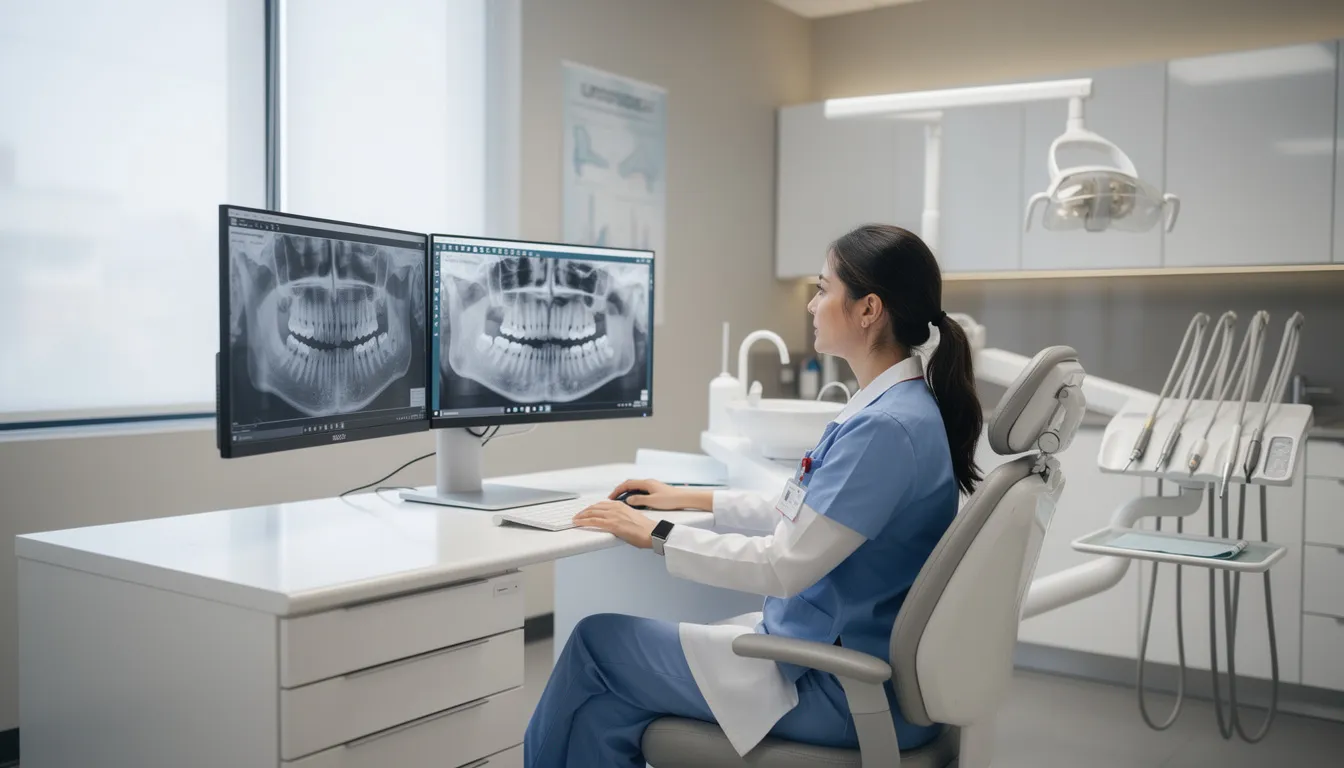
Early diagnostic tools make this preventive approach possible:
- Panoramic X-rays provide a broad view of all teeth, the jawbone, and surrounding structures
- 3D cone beam CT scans reveal impaction angles, cyst formation, and bone density with remarkable precision
- Periodontal probing measures pocket depths to identify gum disease progression
These tools allow your dental professional to see future risks before symptoms begin, giving you the opportunity to address problems when surgery is simpler and recovery is faster.
Preventing Problems with Wisdom Tooth Removal
Wisdom teeth typically emerge between ages 17 and 25, and for many people, there simply isn’t enough room in the jaw to accommodate them. When these third molars become trapped beneath the gum line or grow at awkward angles, they’re classified as impacted teeth, and they can create a cascade of problems over time.
What Happens When Wisdom Teeth Stay
Impacted wisdom teeth can lead to several future complications:
| Problem | How It Develops | Long-Term Impact |
|---|---|---|
| Pericoronitis | Food and bacteria are trapped under partially erupted gum tissue | Recurring painful infections requiring antibiotics |
| Adjacent tooth damage | Pressure from the impacted tooth erodes the neighboring molar | Root canal or extraction of a healthy second molar |
| Cyst formation | A fluid-filled sac develops around the impacted tooth | Bone destruction and tooth displacement |
| Crowding | Forward pressure shifts previously straight teeth | Need for orthodontic treatment in adulthood |
Research indicates that 30-50% of impacted wisdom teeth eventually develop dentigerous cysts if left in place for decades. Removing impacted wisdom teeth before these complications develop is far simpler than addressing the damage afterward.
The Advantage of Early Removal
When wisdom teeth are removed in the late teens or early 20s, before roots fully form and before symptoms begin, patients typically experience:
- Shorter surgical time
- Faster healing (often 3-5 days of mild discomfort)
- Lower risk of nerve injury
- Fewer complications overall
Consider two scenarios: A 21-year-old who undergoes proactive wisdom teeth removal experiences a straightforward procedure and returns to normal activities within a week. Compare this to a 38-year-old who has delayed surgery, now facing chronic infection, a damaged adjacent molar, and more complex surgical removal with longer recovery. The preventive approach clearly offers significant advantages.
How Oral Surgery Stops Infection and Gum Disease from Spreading
Untreated tooth infections and advanced gum disease work quietly beneath the surface, destroying bone and threatening neighboring teeth over months or years. By the time symptoms become obvious, significant damage has often already occurred. This is where surgical intervention becomes essential for restoring oral health.
Severe tooth decay that has reached the pulp creates an abscess, a pocket of infection at the root tip. Without treatment, this infection can spread to the jawbone, sinuses, or even other parts of the body. Tooth extractions may be necessary oral surgery when a tooth is too damaged to save, eliminating the source of infection before it spreads further.
Periodontal Surgery for Advanced Disease
When gum disease progresses beyond what cleaning and scaling can address, oral surgery procedures like flap surgery or pocket reduction become necessary. Deep periodontal pockets, measuring 5mm or more, harbor enormous bacterial populations that standard brushing cannot reach. Studies show these pockets can contain 100 million to 1 billion bacteria per gram of plaque.
The connection between oral and overall health is well-documented:
- Untreated severe periodontitis doubles the risk of cardiovascular events
- Chronic oral infections increase the risk of endocarditis by 2.5 to 5.9 times
- Oral bacteria can enter the bloodstream during everyday activities, not just dental procedures
A patient who chooses surgical treatment for deep gum pockets rather than “watching and waiting” typically preserves more teeth long term. The surgical procedure involves placing sutures after cleaning and reshaping the tissue, allowing the gums to reattach more firmly to the tooth roots.
Poor oral hygiene contributes to disease progression, but even patients maintaining good oral hygiene may need surgical intervention if the disease has advanced significantly. Good oral health requires both daily care and timely professional treatment.
Jaw Surgery and Bite Correction: Preventing Long-Term Wear and Pain
Orthognathic surgery, commonly called jaw surgery, corrects significant skeletal misalignments that braces alone cannot fix. When the upper and lower jaws don’t fit together properly, the consequences extend far beyond cosmetic concerns. Jaw misalignment creates functional problems that worsen over decades.
The Hidden Costs of Misaligned Jaws
Untreated jaw discrepancies lead to:
- Uneven tooth wear: Teeth that don’t meet properly grind unevenly, requiring crowns or veneers later
- TMJ degeneration: Research shows 20-30% of patients with untreated jaw misalignment develop temporomandibular joint arthritis over time
- Chronic pain: Headaches, facial pain, and muscle strain become daily struggles
- Breathing difficulties: Narrow airways from skeletal discrepancies can worsen obstructive sleep apnea, increasing cardiovascular strain 2-3 fold
Corrective jaw surgery performed in the teens or 20s, often combined with orthodontic treatment, can prevent decades of damage to teeth and the temporomandibular joint.
How Correcting Jaw Alignment Helps
Consider a patient witha significant underbite (lower jaw protrusion). Without correcting jaw alignment through surgery, this patient faces:
- Difficulty chewing efficiently
- Front teeth that don’t touch, causing excessive wear on back teeth
- Progressive TMJ deterioration
- Potential need for multiple crowns, root canals, or extractions as teeth crack
After orthognathic surgery, the same patient experiences proper bite function, reduced joint stress, and dramatically lower risk of future restorative work. The long-term oral health benefits far outweigh the temporary recovery period.

Dental Implants, Bone Grafting, and Preserving Jawbone for the Future
When a tooth is lost, whether due to decay, injury, or extraction, the jawbone beneath it begins to shrink almost immediately. Without the stimulation of a tooth root, the bone resorbs at a predictable rate, losing significant volume within the first year. This process continues indefinitely, eventually affecting facial structure and limiting future treatment options.
Why Timing Matters for Dental Implant Placement
Replacing missing teeth with dental implants within a reasonable timeframe after extraction offers preventive benefits that extend far beyond filling a gap:
- Bone preservation: The titanium post functions like a natural tooth root, stimulating the bone and preventing resorption
- Neighboring tooth stability: Adjacent teeth won’t tip or drift into the empty space
- Bite maintenance: Chewing forces remain distributed properly
- Facial structure: Prevents the sunken appearance that develops with significant bone loss
The surgical procedure involves placing a titanium post into the jawbone, where it integrates over several months before receiving a crown. This approach to replacing missing teeth offers decades of function compared to bridges or dentures.
Bone Grafting: Preserving Future Options
When extraction is necessary, but immediate implant placement isn’t possible, bone grafting at the extraction site can preserve bone volume for future dental implant placement. Common grafting procedures include:
| Procedure | Purpose | Timing |
|---|---|---|
| Socket preservation graft | Maintains bone width and height after extraction | At the time of extraction |
| Ridge augmentation | Rebuilds bone that has already resorbed | Before implant placement |
| Sinus lift | Increases bone height in the upper jaw | Before upper back implants |
Without grafting, patients may lose so much bone structure that implants become impossible without extensive reconstruction, or they’re limited to dentures, which accelerate bone loss further.
Oral Surgery for Cysts, Tumors, and Pathology: Catching Problems Early
Beyond teeth and gums, oral surgeons routinely perform biopsies and remove cysts, tumors, and suspicious lesions in the jaws and soft tissues. Many of these pathologies are discovered on routine X-rays years before they would cause swelling or pain, making regular dental exams crucial for early detection.
Jaw Cysts and Benign Tumors
Dentigerous cysts commonly form around impacted teeth, slowly expanding and destroying bone. A small cyst visible on X-ray today could, if ignored, grow large enough to:
- Displace multiple teeth
- Weaken the jawbone significantly
- Requires extensive bone reconstruction
Early surgical removal of these lesions is far simpler than addressing the damage after years of growth. The procedure typically involves creating a small opening, removing the cyst completely, and allowing the bone to regenerate naturally.
Oral Cancer Screening and Biopsy
Prompt biopsy of concerning findings can be life-saving:
- Non-healing ulcers lasting more than two weeks
- Red or white patches (erythroplakia or leukoplakia)
- Lumps or thickening in the cheek, lip, or tongue
- Changes in how dentures fit
Early detection of oral cancer dramatically improves survival rates. When precancerous changes are identified and removed surgically before progression, the prognosis is excellent. Significant health problems can be avoided entirely with vigilant screening and timely intervention.
How Timely Oral Surgery Reduces Future Treatment Costs and Discomfort
Understanding why oral surgery can prevent future problems includes recognizing the practical benefits: shorter procedures, simpler healing, and fewer appointments over the next 10-20 years. Early intervention consistently outperforms delayed treatment in both outcomes and overall burden on the patient.
Comparing Proactive vs. Delayed Treatment
| Scenario | Proactive Approach | Delayed Approach |
|---|---|---|
| Wisdom teeth | Single extraction surgery in early 20s | Emergency surgery for infection + damage to adjacent tooth requiring crown |
| Missing molar | Implant within 6 months of extraction | Bone graft + sinus lift + implant after years of resorption |
| Gum disease | Periodontal surgery is performed when pockets reach 5mm | Multiple extractions + implants or dentures after teeth loosen |
| Jaw misalignment | Orthognathic surgery in late teens | TMJ surgery + multiple crowns for worn teeth in the 40s |
Research on preoperative dental management shows that early intervention before major surgeries reduces hospital stays by an average of 2.55 days and lowers overall costs, a pattern that applies broadly to preventive oral surgery.
The Long-Term Benefits
While undergoing oral surgery can feel intimidating in the short term, the numerous benefits become clear over time:
- Fewer dental emergencies are disrupting work and daily life
- Reduced chronic pain and discomfort
- Lower lifetime dental costs
- Better quality of life as you age
The benefits of oral surgery extend well beyond the immediate problem being addressed.
Preparing for Preventive Oral Surgery: What Patients Can Expect
Understanding the process helps patients feel more confident about choosing surgery for preventive reasons. A thorough consultation with the right oral surgeon sets the stage for successful outcomes.
Typical Steps Before Surgery
- Initial consultation: Review of your medical history, current concerns, and treatment goals
- Diagnostic imaging: Panoramic X-rays or 3D cone beam scans to assess anatomy precisely
- Discussion of options: Explanation of the procedure, risks, benefits, and alternatives
- Scheduling: Based on your age, health situation, and optimal timing for the procedure
Common Preparation Instructions
Your oral and maxillofacial surgeon will provide personalized treatment plans, but general preparation typically includes:
- Fasting requirements: No food or drink for 6-8 hours before general anesthesia or sedation
- Medication guidelines: Which medications to continue and which to pause
- Arrangement for transportation: You’ll need someone to drive you home after local or general anesthesia
- Recovery planning: 2-3 days of lighter activity, soft foods prepared in advance
- Dietary restrictions: Stock up on smoothies, yogurt, and other soft foods
Asking questions about long-term outcomes and recovery timelines is an important part of making an informed decision. A consultation does not commit you to treatment; it helps you understand your options fully.

Recovery Tips That Support Long-Term Success
Good post-operative care protects the investment you’ve made in your future dental health. Following recovery guidelines closely reduces the risk of complications and supports better long-term results.
Key Recovery Elements
To ensure a smooth recovery and protect long-term oral health:
- Manage swelling: Apply cold packs to the face (20 minutes on, 20 minutes off) for the first 24-48 hours
- Take medications as prescribed: Pain relievers, antibiotics, and anti-inflammatory medications serve specific purposes
- Avoid smoking: Tobacco dramatically increases dry socket risk and delays healing at the surgical site
- Follow dietary restrictions: Soft foods for the first week prevent damage to healing tissues
- Skip straws and vigorous rinsing: Suction can dislodge blood clots essential for healing
Maintaining Good Oral Hygiene During Recovery
Maintaining good oral hygiene remains important even when you can’t brush normally. Your surgeon will provide specific instructions, typically including:
- Gentle saltwater rinses starting 24 hours after surgery
- Careful brushing of teeth away from the surgical site
- Gradual return to normal hygiene routine as healing progresses
Follow-Up Appointments
Keep all scheduled follow-up appointments so your surgeon can:
- Confirm proper healing
- Remove sutures if needed
- Identify and address any early concerns
- Adjust care if issues appear
Ongoing oral hygiene habits and regular dental visits after recovery maintain the preventive benefits of your surgery for decades.
When to Consider Oral Surgery to Prevent Future Complications
Not every dental issue requires surgical intervention, but ignoring recommended procedures can lead to more complex problems in 5, 10, or 20 years. Here’s when you should ask about common oral surgeries:
Consider Consultation If You Have:
- Impacted or crowded wisdom teeth are visible on X-rays, even without symptoms
- Missing teeth that could lead to bone loss or shifting
- Chronic infections or abscesses that keep returning
- Jaw pain or clicking, suggesting TMJ problems related to bite issues
- Deep gum pockets not responding to non-surgical treatment
- Suspicious oral lesions that your dentist wants evaluated
- Tooth decay is too extensive for filling, but potentially salvageable
Common Types of Oral Surgeries Recommended Preventively
| Condition | Preventive Procedure | What It Prevents |
|---|---|---|
| Impacted wisdom teeth | Surgical removal | Infection, cysts, and damage to adjacent teeth |
| Tooth loss | Dental implants | Bone loss, shifting teeth, bite problems |
| Severe periodontitis | Flap surgery | Further tooth loss, systemic health risks |
| Jaw misalignment | Orthognathic surgery | TMJ damage, tooth wear, chronic pain |
| Insufficient bone | Bone grafting | Loss of future implant options |
If you’ve been advised to consider other dental treatments, including surgery, but have delayed making a decision, seek a professional evaluation. Understanding your options now can prevent future complications that would require more extensive dental care later.
Choosing Oral Surgery as an Investment in Your Future Health
Oral surgery plays an important role in preventing infections, bone loss, bite problems, and systemic health issues that develop over the years and decades. When you understand why oral surgery can prevent future problems, the decision to proceed becomes clearer; you’re not just treating today’s concern, but protecting tomorrow’s health.
Proactive, well-planned oral surgery often leads to fewer dental emergencies, less chronic pain, and more predictable overall oral health as you age. The short-term commitment of undergoing oral surgery and recovery translates into long-term stability for your teeth, jaws, and healthy smile.
If you’ve been told you have impacted teeth, advanced gum disease, missing teeth, or other dental concerns that may benefit from early surgical treatment, consider scheduling a consultation. The right oral surgeon can help you understand timing, alternatives, and the potential risks of waiting, empowering you to make the best decision for your long-term oral health and quality of life.
Get Oral Surgery Care at Towne Dental Naples
Oral surgery plays an important role in protecting your dental health and overall comfort. At Towne Dental Naples, our oral surgery services are provided with a focus on safety, precision, and patient comfort. Whether you need a tooth extraction, wisdom teeth removal, or another surgical dental procedure, our team is here to guide you through each step with care and clear communication.
Get the oral surgery care you need by scheduling a consultation with Towne Dental Naples today. Contact Towne Dental today to discuss your options, have your questions answered, and ensure you feel comfortable before, during, and after your procedure.