Key Takeaways
- Your surgeon’s specific post-operative instructions always take priority over general advice
- Protecting the blood clot is critical for preventing dry socket and ensuring proper healing
- Ice and elevation in the first 48 hours significantly reduce swelling
- Take medications on schedule and never mix without professional guidance
- Eat soft, nutrient-rich foods and stay well hydrated
- Rest is essential—avoid strenuous activities for at least 48–72 hours
- Gentle oral hygiene after the first day helps prevent infection
- Avoid smoking, vaping, and alcohol to protect blood flow and healing
- Know the warning signs and don’t hesitate to call your dental office
- Follow up as scheduled, even if you feel fine
Recovery from oral surgery doesn’t have to be complicated. With careful attention to these fundamentals and close communication with your dental team, most patients return to their normal routines within one to two weeks.
Keep your post-op instruction sheet handy, listen to your body, and reach out to your dentist with any concerns. Your future self—with a fully healed, healthy mouth—will thank you.
You’ve just made it through your oral surgery. Whether it was a simple tooth extraction, wisdom tooth removal, or a more complex procedure like dental implant placement, the real work starts now. The first few days after surgery set the foundation for your entire healing process, and what you do (or don’t do) can mean the difference between bouncing back in a week or dealing with complications for much longer.
The good news? A successful recovery is largely within your control. By following a few key steps, you can minimize discomfort, reduce your risk of infection, protect the surgical site, and get back to your normal routine faster.
In this guide, we’ll walk you through ten essential things you should do after oral surgery for optimal healing. These tips are based on clinical guidelines and common post-operative protocols, but remember—your oral surgeon’s specific instructions always take priority.
1. Follow Your Surgeon’s Post-Operative Instructions Exactly
Before we dive into general advice, here’s the most important thing to understand: the written and verbal instructions from your oral surgeon override anything you read online, including this article. Your dentist tells you what to do based on your specific procedure, medical history, and individual healing needs.
Keep your post-op instruction sheet somewhere visible for the first 3–5 days. Tape it to your fridge, set it on your bedside table, or snap a photo on your phone. When you’re groggy from medications, you’ll be glad you don’t have to search for it.
Instructions will differ depending on what procedure you had:
- Simple extraction – Often allows gentle rinsing after 24 hours
- Wisdom tooth removal – May require longer dietary restrictions and more aggressive swelling management
- Dental implant placement – Involves specific guidance about not disturbing the implant site
- Bone grafting – Typically requires extended care protocols for months
Your instructions will cover exact timelines for when to start eating solid foods, when you can rinse your mouth, how to brush near the surgical area, and when to take your medications. Follow these precisely.
If you received sedation on surgery day, have a family member or friend listen to the verbal instructions with you. You may not remember everything later.
When in doubt about anything—unusual bleeding, unexpected swelling, or pain that seems worse than expected—call your dental office. Guessing can lead to complications that are easily preventable with a quick phone call.
2. Protect the Blood Clot at the Surgery Site
After a tooth extraction, your body forms a blood clot in the empty tooth socket. This clot isn’t just dried blood—it’s a protective scaffold that shields exposed bone and nerves while providing the foundation for new tissue growth. Protecting this clot is absolutely essential for healing.
If the clot becomes dislodged, you risk developing dry socket, a painful condition where bone and nerves are left exposed to air, food, and bacteria. Dry socket occurs in roughly 2–5% of extractions, but that risk increases dramatically if you disturb the area.
For the first 24 hours, avoid these actions:
- Rinsing your mouth at all (avoid rinsing completely)
- Spitting forcefully
- Touching the extraction site with your fingers or tongue
- Using straws, vaping, or any sucking motions
- Eating on the side of your mouth where the surgery occurred
For the first several days after surgery, continue to chew on the opposite side and keep food away from the surgical site as much as possible.
Normal oozing vs. active bleeding:
Some pink-tinged saliva is completely normal for the first day or two; however, if your mouth is filling rapidly with bright red blood, that needs attention.
If bleeding increases, take a folded piece of clean gauze (or a clean cloth), place it directly over the site, and bite down with firm, steady pressure for 20–30 minutes. Don’t keep checking every few minutes—consistent pressure is what helps blood clots form and stabilize.
3. Control Swelling and Pain with Cold Therapy and Elevation
Swelling is your body’s natural response to the surgical procedure, and it typically peaks around 48–72 hours after oral surgery. The good news is that early intervention with cold therapy and proper positioning can significantly limit how much swelling develops.

How to use an ice pack effectively:
- Wrap your ice pack, bag of frozen peas, or gel pack in a thin cloth or towel (never apply ice directly to skin)
- Hold it against your cheek over the surgical area
- Apply for 15–20 minutes on, then 15–20 minutes off
- Continue this cycle during waking hours for the first 24 hours after surgery
Elevation matters too:
Keep your head elevated above heart level, especially during the first night. Prop yourself up with two or three pillows, or sleep in a recliner if that’s more comfortable. This reduces blood pressure to the jaw and helps minimize both swelling and throbbing discomfort.
Some mild bruising on your cheek or jaw is normal after more involved procedures—it usually fades over 7–10 days. After the first 48 hours, you can typically stop the ice. Some surgeons recommend switching to gentle warm compresses at this point to help blood flow and clear any residual bruising, but check your specific instructions first.
4. Take Prescribed Medications Safely and on Schedule
Your oral surgeon may send you home with several types of medications: pain medication to manage discomfort, anti-inflammatories to reduce swelling, and sometimes antibiotics to prevent infection.
Start pain management early:
If your instructions allow it, take your first dose of pain medication before the numbness completely wears off. This helps you stay ahead of the discomfort rather than trying to catch up once the pain has already intensified.
Key medication guidelines:
- Take prescribed medications exactly as directed on the label
- If you’re given antibiotics, finish the entire course unless your prescriber specifically tells you to stop
- Don’t take extra doses or mix over-the-counter painkillers with prescription medications without checking with your dentist, doctor, or pharmacist first
- Avoid aspirin products unless specifically instructed otherwise, as they can increase bleeding risk
For the first 24–48 hours, when you may be drowsy, use a simple written schedule or set phone reminders to keep track of medicine times. It’s easy to lose track, especially if you’re napping frequently.
Warning: Contact your dental office or an urgent care service immediately if you develop a rash, difficulty breathing, or severe stomach upset after starting any new medication. These could indicate an allergic reaction.
5. Eat Soft, Nourishing Foods and Stay Well Hydrated
What you eat in the first week directly affects your healing speed and comfort level. Your body needs fuel to repair tissue, so this isn’t the time for restrictive eating—it’s the time for nutrient-dense soft foods that won’t irritate the surgical site.
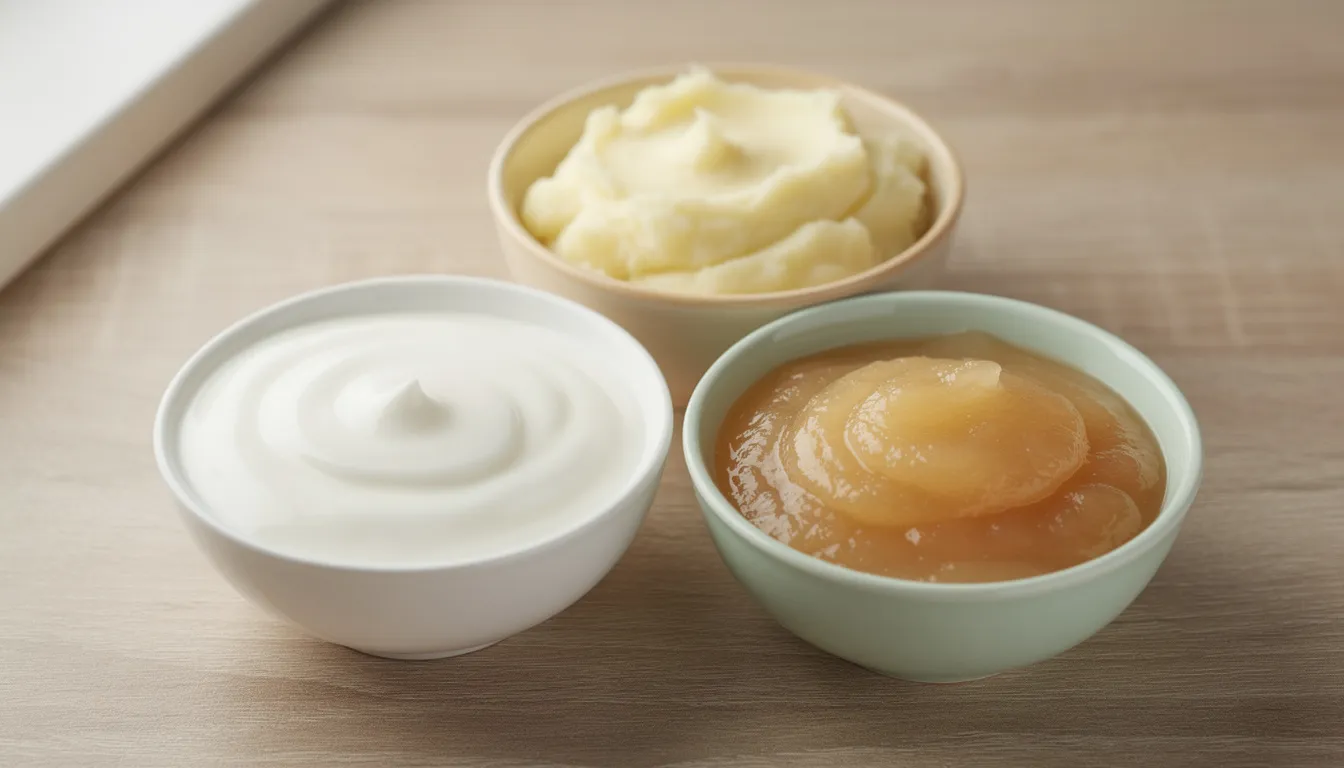
Days 1–3: Very soft foods only
- Lukewarm soups without hard chunks
- Mashed potatoes (not hot foods—let them cool to lukewarm)
- Plain yogurt
- Applesauce
- Scrambled eggs
- Smoothies eaten with a spoon (not through a straw)
- Protein shakes at room temperature
Days 3–7: Gradually add texture
- Soft pasta
- Oatmeal
- Cottage cheese
- Well-cooked, soft vegetables
- Soft fish like salmon or tilapia
Foods to avoid until the area is more comfortable:
- Hot, crunchy, or hard items (chips, nuts, crusty bread)
- Sticky foods that could pull at the surgical area
- Spicy foods that may cause irritation
- Acidic items (citrus fruits, tomatoes, soda)
Focus on nutrition, not just “light eating”:
Research shows that protein, vitamin C, and zinc are critical for wound healing. Aim for protein-rich foods like eggs and Greek yogurt, vitamin C from soft fruits like mashed berries, and zinc from sources like smooth nut butters. Adequate calories and nutrients can accelerate tissue repair by up to 25%.
Stay hydrated:
Drink plenty of plain water throughout the day—aim for around 6–8 glasses. Take small sips rather than swishing the water forcefully in your mouth. And remember: no straws or squeeze bottles that require strong suction for at least the first few days.
6. Rest, Avoid Strenuous Activity, and Manage Your Position
Your body needs energy and good circulation for healing. Overexertion can trigger renewed bleeding, increased swelling, and throbbing pain at the surgical site.
Surgery day:
Take the rest of the day off completely. No work, no school, no driving—especially if sedation or strong painkillers were used. This is your day to rest.
The first 48–72 hours:
Avoid strenuous activities, including:
- Heavy exercise or gym workouts
- Bending over repeatedly
- Lifting heavy objects
- Any activity that significantly raises your heart rate
Sudden spikes in blood pressure can cause the surgical site to start bleeding again. Some patients may need to avoid strenuous exercise for up to a week, depending on their procedure and their surgeon’s guidance.
What you can do:
- Gentle walking around the house every few hours keeps circulation moving and reduces stiffness
- Light activities that don’t strain you are generally fine
Sleep position matters:
Continue sleeping with your head slightly elevated for the first couple of nights. This reduces swelling and the pulsating discomfort many people experience when lying flat.
Returning to intense workouts, contact sports, or activities that risk impact to your face should only happen when your dental professional clears you.
7. Keep Your Mouth Clean Without Disturbing the Wound
Infection risk rises if the mouth is not kept clean, but over-vigorous cleaning can damage delicate healing tissue and dislodge blood clots. The balance is gentle, consistent oral hygiene.
The first 24 hours:
Most patients should not rinse their mouth at all during the first 24 hours after surgery. This protects the initial clot formation. (Check your own instructions—if they differ, follow those.)
After 24 hours:
Begin gentle warm water salt rinses:
- Mix half a teaspoon of salt in a cup of warm water
- Gently swish the solution around your mouth
- Let it fall from your mouth rather than spitting hard
- Do not rinse vigorously
Aim for salt-water rinses 2–3 times a day, especially after meals. Salt water creates a hypertonic environment that can reduce bacterial load by up to 90%, helping prevent infection while promoting gentle debridement of the area.
Brushing your teeth:
- You can brush teeth away from the surgical site the same day as surgery
- Avoid brushing directly over the wound for the first day or two
- Use a soft-bristle toothbrush
- Use slow, gentle strokes when working near the area after the initial healing period
Avoid alcohol-based mouthwashes until the tissues have healed and your surgeon confirms they’re safe to use. These can irritate the wound and slow healing.
8. Avoid Smoking, Vaping, and Alcohol During Early Healing
Nicotine and other chemicals found in tobacco and vaping products reduce blood flow and oxygen supply to healing tissues. Studies show nicotine can decrease circulation to the surgical site by 30–40%, significantly slowing recovery.
Smoking and vaping:
- Avoid completely for at least 48–72 hours after surgery
- Delaying longer (a full week or more) is even better for healing
- The suction from inhaling can disturb the blood clot
- Coughing triggered by smoke or vapor can also dislodge clots
Dry socket risk increases 3–4 times in patients who smoke after extractions. This alone makes temporary abstinence worth the effort.
Alcohol:
Drinking alcohol in the first days after surgery can:
- Increase bleeding
- Worsen swelling
- Interfere with pain medication effectiveness
- React dangerously with antibiotics
Avoid alcohol completely for at least the first 24 hours. If you’re taking prescription painkillers or antibiotics, extend that until you’ve finished your medications—many of these interact poorly with alcohol.
Planning ahead helps: If you regularly use tobacco or vaping products, consider reducing your use before the procedure and arranging support (nicotine patches, gum, or a supportive friend) to help you stay off them during recovery.
The goal here isn’t judgment—it’s giving your body the best conditions to heal quickly and comfortably.
9. Watch for Warning Signs and Know When to Call
Some discomfort, minor bleeding, and swelling are completely normal parts of recovery. However, certain symptoms signal that something isn’t right and needs prompt professional attention.
Red flags that require immediate contact with your dental office:
| Symptom | What It Might Mean |
|---|---|
| Heavy bleeding that doesn’t slow after 30 minutes of firm gauze pressure | Possible clot failure or blood vessel issue |
| Swelling that suddenly worsens after day 3 | Possible infection or hematoma |
| Severe pain not controlled by prescribed medications | May indicate dry socket or other complications |
| Increasing redness, pus, or bad-tasting discharge from the site | Signs of infection |
| Fever or feeling generally unwell | Systemic infection response |
| Pain that improves for a day or two, then suddenly becomes much worse (often radiating to the ear or jaw) | Classic dry socket symptoms |
Seek emergency care immediately if you experience:
- Difficulty breathing
- Facial swelling spreading toward your eye or neck
- Difficulty swallowing
Don’t hesitate to call with “smaller” questions too—uncertainty about stitches, medication timing, or unusual sensations are all valid reasons to reach out. Your dental team would rather answer a quick question than have you worry or develop a preventable complication.
Save your practice’s phone number in your mobile phone and write it on your instruction sheet before surgery day.
10. Support Long-Term Healing and Plan Your Follow-Up
Soft tissue often feels significantly better within about a week, but full bone healing—especially after extractions, implants, or bone grafting—can take several weeks to months, depending on the procedure. Your oral health journey doesn’t end when the initial discomfort fades.
Follow-up appointments matter:
Even if you feel fine, attend your scheduled follow-up (typically 7–10 days after surgery). Your dentist will:
- Check that healing is progressing normally
- Remove stitches if needed
- Address any concerns before they become problems
Patients who attend follow-up appointments have 15–20% lower complication rates.
Ongoing care recommendations:
- Continue gentle salt-water rinses and careful brushing around the site for as long as your dentist recommends
- Gradually return to your normal diet, but delay very hard foods (nuts, hard candies, ice) until the area is fully comfortable and you’re cleared by your clinician
- Keep a simple pain and swelling diary for the first few days to discuss any patterns at your review appointment
Support your body’s repair process:
Good overall habits accelerate tissue rebuilding:
- Regular, quality sleep
- Plenty of fluids
- Balanced, nutritious meals
- Stress management (high stress can impair immune function and slow healing)
Combining these ten steps with personalized professional guidance from your oral surgeon gives you the best chance of a quick, complication-free recovery.
Contact Towne Dental Today
A faster, smoother recovery after oral surgery starts with the right professional support. If you have questions about your healing progress, pain management, swelling, or post-operative care, we’re here to guide you every step of the way. Our team understands that each oral surgery recovery is different, and we’re committed to providing personalized advice to help your mouth heal properly and comfortably.
Whether you’ve recently had an extraction, wisdom tooth removal, or dental implant surgery, our experienced dental professionals are ready to help you recover faster and with confidence. From follow-up appointments to answering recovery-related concerns, we make sure you’re never left guessing during this critical healing period.
Contact Towne Dental today to schedule a follow-up or speak with our team. With our support and expert care, you can stay on track for a quicker recovery and long-term oral health.