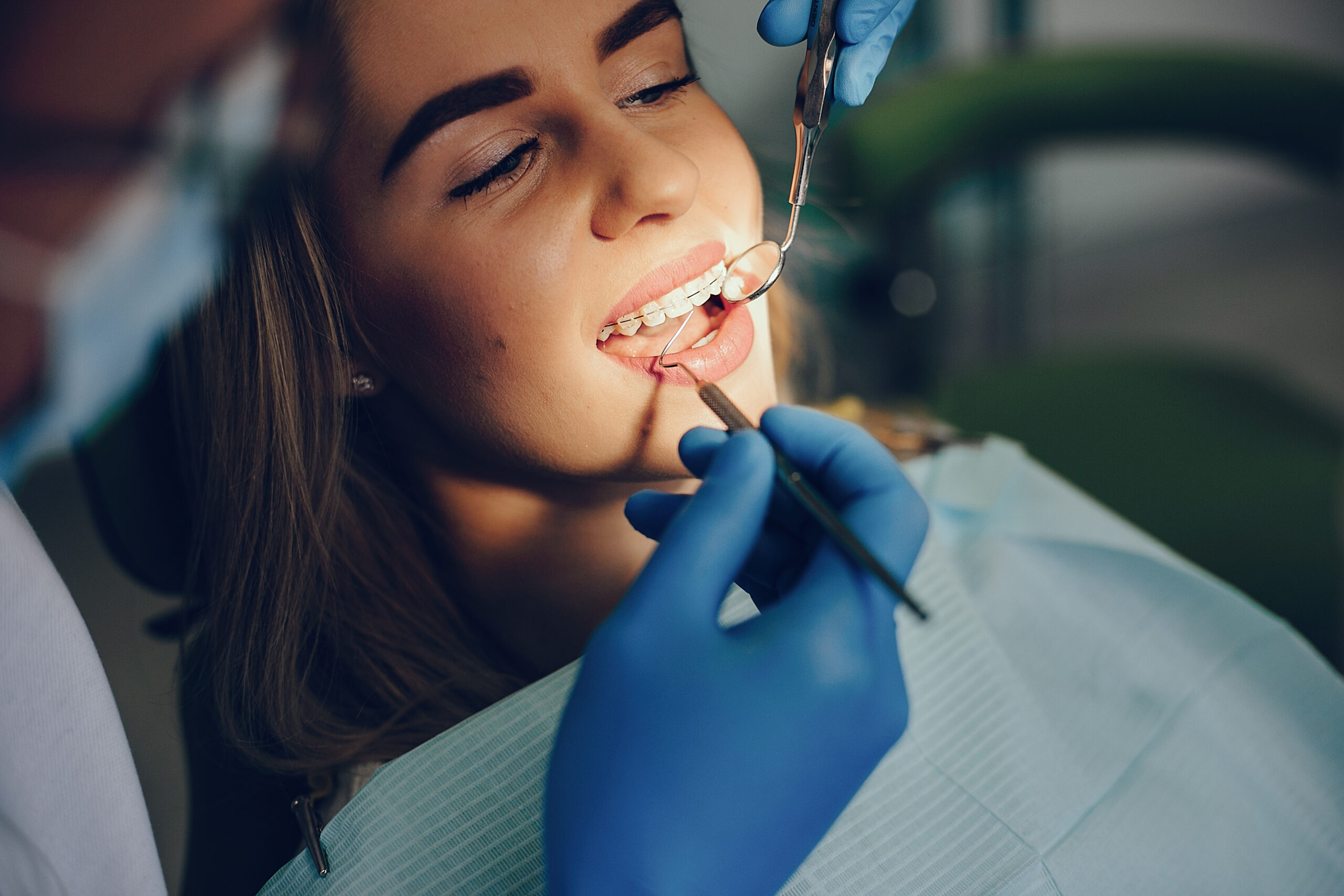
The first orthodontic evaluation is ideally scheduled around age 7, when most children have a mix of baby teeth and emerging adult teeth. This timing allows an orthodontist to assess how permanent teeth are likely to erupt and identify potential alignment issues early, before they become harder and more expensive to fix.
An early consultation does not always mean immediate braces. In many cases, it simply means monitoring growth and stepping in only when needed. If you are a parent wondering whether your child is ready for an orthodontic visit, this guide will walk you through everything you need to know about the top benefits of visiting an orthodontist early.
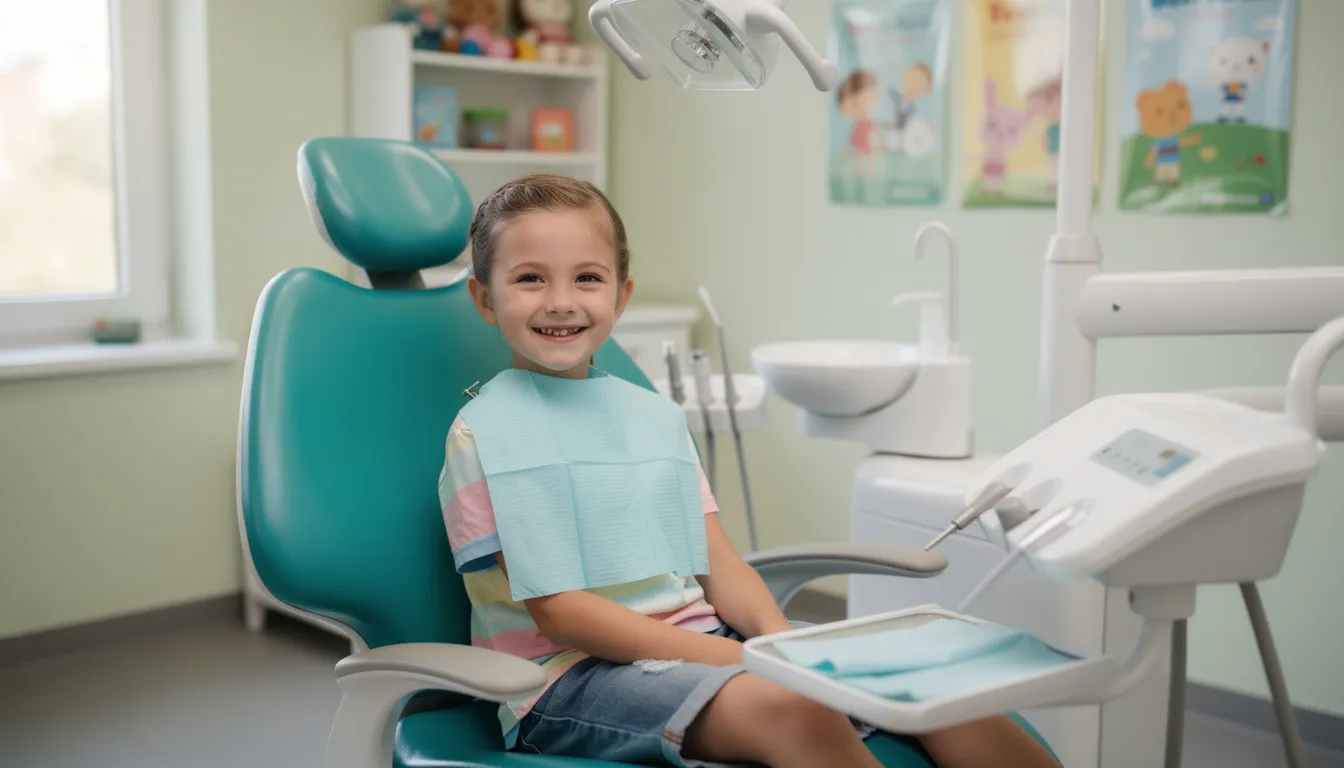
Why Age 7 Is the Best Time to See an Orthodontist
The American Association of Orthodontists recommends the first orthodontic evaluation by age 7. This isn’t an arbitrary number; it aligns with a critical stage in your child’s dental development.
Around age 7, children typically have a mix of primary and permanent teeth. This mixed dentition stage allows the orthodontist to observe how adult teeth are emerging and predict how the rest will come in. The upper and lower jaws are also undergoing rapid growth at this age, with bones still soft and malleable.
Early X-rays and clinical exams can reveal hidden problems such as:
- Impacted teeth that may be blocked from erupting properly
- Crossbites where the upper teeth bite inside the lower teeth
- Jaw asymmetry affecting facial balance
- Overbites with excessive overlap of the top teeth over the bottom teeth
- Underbites with lower teeth protruding beyond upper teeth
- Crowding or spacing irregularities
Some children may benefit from a follow-up schedule every 6–12 months to track jaw growth and tooth eruption, even if no early orthodontic treatment is started right away. This monitoring approach ensures nothing is missed while avoiding unnecessary intervention.
Early Detection of Developing Orthodontic Problems
Many bite and alignment issues start forming years before all adult teeth erupt. Research indicates that up to 50–70% of children show some form of malocclusion by early adolescence, making early orthodontic care crucial for intercepting problems before they worsen.
Specific orthodontic issues that can be picked up early include:
| Issue | Description |
|---|---|
| Crowding | Insufficient space causing teeth to overlap |
| Spacing | Excess gaps between teeth |
| Crossbites | Upper teeth sit inside lower teeth when biting |
| Overbites | The top teeth are excessively covering the bottom teeth |
| Underbites | Lower teeth extending past upper teeth |
| Open bites | The gap between the front teeth when the mouth is closed |
| Early/late tooth loss | Baby teeth falling out too soon or staying too long |
Detecting these concerns early often means simpler, shorter, and less invasive treatments down the road. Addressing alignment issues early gives orthodontists more options and flexibility compared to waiting until all permanent teeth have erupted.
Guiding Jaw Growth for Better Balance and Function
The upper and lower jaws are still growing rapidly during the early school years, which makes them significantly easier to guide than they will be later. Bones respond faster to orthodontic treatment in youth, changes occur more readily, and they integrate with natural growth patterns.
Early intervention can help correct crossbites, underbites, and overbites by influencing jaw position rather than relying on jaw surgery later. This approach to guiding jaw growth produces results that would require more invasive procedures in adolescence or adulthood.
Balanced jaw development improves several aspects of daily function:
- Chewing efficiency – Better mastication aids digestion and nutrition
- Speech clarity – Reducing lisps caused by misaligned teeth
- Facial symmetry – Creating a more balanced appearance
- Airway development – Promoting nasal breathing over mouth breathing
Early correction may also support better airway development in some children, reducing the risk of sleep-related issues associated with mouth breathing and jaw positioning problems.
Creating Space for Incoming Permanent Teeth
When baby teeth are lost too early or too late, the dental arch can be disrupted. This often causes a child’s permanent teeth to erupt crooked, impacted, or crowded.
Orthodontic appliances such as space maintainers and palatal expanders can preserve or create the room needed for adult teeth to emerge in better positions. Palatal expanders work by gradually widening the upper jaw, applying gentle pressure to the palate’s suture. This approach is most effective before puberty, when the suture is still flexible.
Creating adequate space early can reduce or eliminate the need for tooth extractions later. Consider this comparison:
| Scenario | Early Intervention | Delayed Treatment |
|---|---|---|
| Treatment approach | Palatal expansion at age 8 | Wait until all teeth erupt |
| Extractions needed | Often avoided | Frequently required |
| Total treatment time | 12–18 months | 24+ months |
| Complexity | Lower | Higher |
| Cost over time | Generally lower | Generally higher |
Proactive space management typically leads to shorter and more straightforward braces or aligner treatment during the teen years. Erupting permanent teeth have clear paths to follow, making the treatment process more predictable.
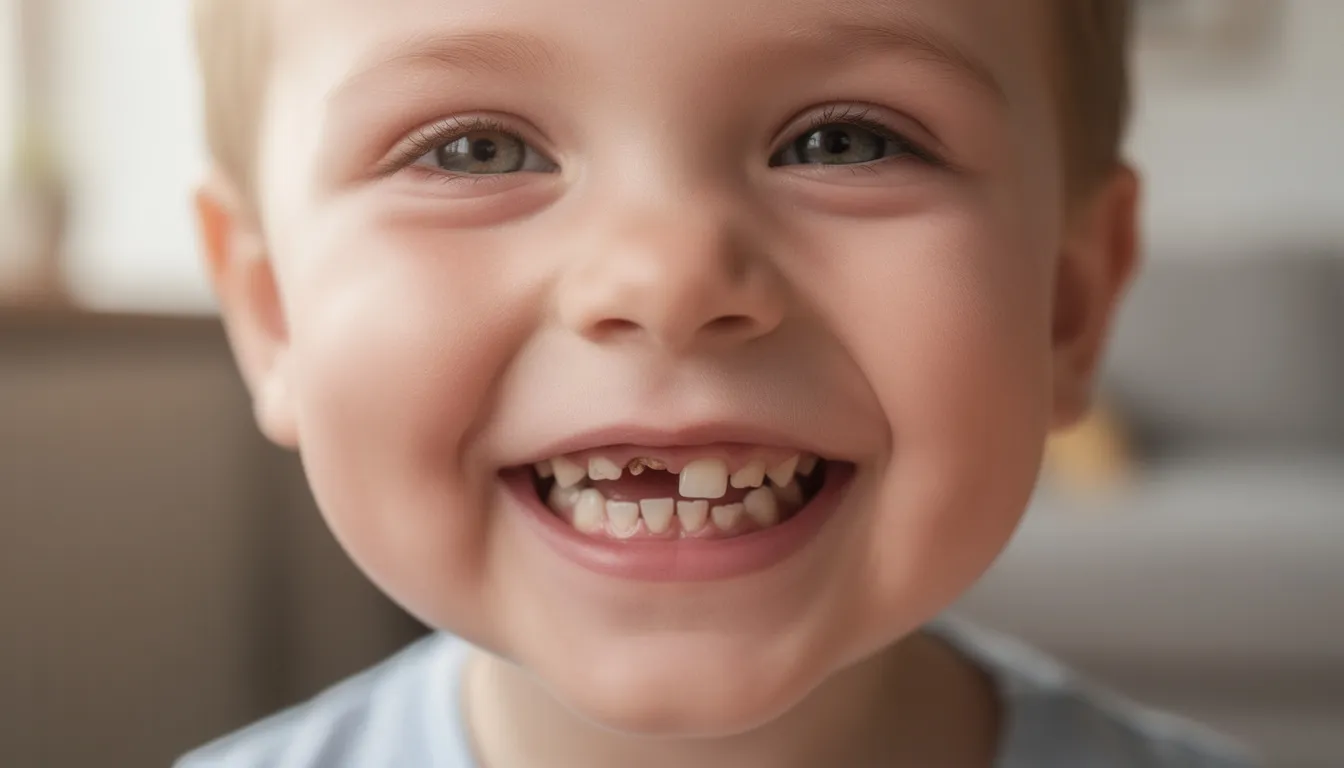
Top Benefits of Visiting an Orthodontist Early
Early orthodontic visits can positively affect both dental health and emotional well-being. Here are the key benefits parents should understand:
1. Easier Correction of Bite Issues
Intervening early allows orthodontists to address bite problems while the child’s jaw is still growing. This often results in faster corrections using less invasive treatments than would be needed later.
2. Reduced Risk of Trauma to Protruding Teeth
Crooked teeth or protruding front teeth increase injury risk during sports and play. Straight teeth sit more safely in the mouth and pair better with mouthguards to prevent future dental problems like chipping.
3. Improved Ability to Clean Teeth
Properly aligned teeth are easier to brush and floss effectively. This helps maintain good oral hygiene and lowers the risk of tooth decay and gum disease throughout childhood and beyond.
4. Less Chance of Abnormal Tooth Wear
Uneven bites cause certain teeth to bear more pressure than others. Early treatment creates proper alignment that distributes chewing forces evenly, preventing premature wear.
5. Better Chewing Efficiency
Correcting misaligned teeth improves how children chew their food. Better mastication supports digestion and helps children get more nutrition from their meals.
6. Clearer Speech Development
Some speech difficulties, including lisps, are directly connected to tooth position. Early orthodontic intervention can eliminate these impediments by ensuring proper alignment of teeth and jaws.
7. Prevention of More Serious Dental Problems
Early evaluation can identify other oral health issues before they escalate. This proactive approach prevents conditions that would require more extensive treatment or even jaw surgery in late adolescence.
Early detection and treatment also support overall well-being by establishing healthy oral development patterns that last a lifetime.
Shorter, Simpler Treatment in the Future
Interceptive early treatment can “set the stage” so that future orthodontic treatment during the teen years is faster and more predictable. By addressing skeletal and space problems early, orthodontists reduce the workload required for comprehensive treatment later.
Phase-one treatment typically handles the most challenging aspects, jaw discrepancies, crowding, and bite issues, so that phase-two treatment focuses primarily on fine-tuning tooth alignment. This approach can shave months off total treatment time.
Consider this example: A child receiving early palatal expansion might avoid extractions entirely and complete full treatment in 12–18 months. Another child who waited until all teeth erupted could face crowding requiring tooth extractions, longer brace wear (24+ months), and higher costs due to extended office visits and complexity.
Shorter treatment generally means:
- Fewer office visits overall
- Less disruption to school and extracurricular activities
- Lower overall stress for the entire family
- Reduced the total cost of the child’s orthodontic journey
Supporting Confidence and Social Development
A child’s smile can significantly affect confidence starting in early elementary school. Visible issues like severe crowding, gaps, or protruding teeth often become sources of self-consciousness during these formative years.
Reducing obvious dental concerns early helps children feel more comfortable smiling and speaking in social situations. This boost to a child’s self-esteem can ripple into other areas of life.
Children who feel good about their smile often show:
- Greater participation in classroom discussions
- More confidence during extracurricular activities
- Easier social interactions with peers
- Less anxiety about photos and public speaking
Addressing teasing triggers related to dental appearance early may have long-term emotional benefits that extend well beyond just straight teeth. A confident smile supports overall social development and a child’s oral health simultaneously.

What Happens at an Early Orthodontic Visit?
The first orthodontic evaluation is primarily an evaluation and conversation, not treatment. Parents and children can expect a relaxed, informative initial consultation.
The typical visit includes these steps:
- Medical and dental history review – The orthodontist reviews any relevant health information and previous dental records
- Clinical exam of teeth and jaws – A thorough assessment of current tooth positions and jaw relationships
- Photographs – Images of the teeth, bite, and facial profile for documentation
- X-rays or digital scans – These may be taken to evaluate eruption paths and growth patterns beneath the surface
The orthodontist will assess bite alignment, the growth of the jaw, tooth eruption paths, and harmful oral habits such as thumb-sucking or mouth breathing. Parents receive clear explanations with visual aids showing any issues found.
The visit typically concludes with one of three recommendations:
| Recommendation | What It Means |
|---|---|
| Start early treatment | Active intervention is beneficial now |
| Monitor growth | Schedule follow-ups every 6–12 months |
| Recheck later | No current concerns; return in 1–2 years |
This approach ensures that each child receives a personalized treatment plan tailored to their specific needs and developmental stage.
Common Early Treatment Options
When early treatment is recommended, several types of orthodontic appliances may be used:
Palatal Expanders: These devices gradually widen the upper jaw over several months. They leverage the softness of pre-pubertal bones to create space and correct crossbites with stable, comfortable results.
Partial Braces Sometimes braces are placed on only select front teeth for targeted alignment. This addresses specific issues without full-mouth treatment.
Space Maintainers: These fixed devices hold gaps open after baby teeth are lost early, preserving room for permanent teeth to erupt correctly.
Functional Appliances These guide jaw positioning over time, for example, encouraging forward growth of an underdeveloped lower jaw to correct an underbite.
Treatment duration for early phases typically ranges from several months to about 18 months, depending on the issue being addressed. Discomfort is usually mild and temporary. Children adapt quickly with proper guidance and regular follow-up appointments.

Signs Your Child May Benefit from an Early Orthodontic Visit
While age 7 is a good general benchmark for the first orthodontic evaluation, certain warning signs mean a child should be seen even sooner.
Watch for these indicators that suggest an early age evaluation may be beneficial:
- Difficulty biting or chewing food properly
- Thumb-sucking or pacifier use continuing past age 5–6
- Chronic mouth breathing instead of nasal breathing
- Crowded or widely spaced teeth
- Early loss of baby teeth (before age 5) or delayed loss (past age 7–8)
- Jaw shifting or clicking when opening or closing the mouth
- Speech difficulties that may be related to tooth position
- Teeth that don’t meet properly when the mouth closes
Parents should not wait for all adult teeth to come in if they notice any of these significant dental issues. Many problems are easier to address while growth is still active.
An orthodontic evaluation complements regular dental checkups. While your child’s dentist focuses on the overall child’s dental health, including decay and gum health, an orthodontist specializes specifically in alignment and jaw growth.
Taking the Next Step: Scheduling an Early Orthodontic Evaluation
Early orthodontic visits lead to healthier, more functional, and more attractive smiles with fewer complications later. By scheduling an evaluation around age 7, or sooner if warning signs appear, you give your child the best chance for a healthier smile with less extensive treatment.
If your child is approaching 7 years old or showing any of the listed warning signs, consider scheduling an initial consultation. Even if no immediate treatment is needed, establishing a baseline and monitoring plan sets your child up for success.
Before your appointment, prepare questions about:
- Treatment options and timing for your child’s specific situation
- Estimated costs and payment plans
- Insurance coverage and benefits
- What to expect during the treatment process
Early orthodontic care is an investment in your child’s long-term health, confidence, and overall well-being. The benefits extend far beyond a child’s smile; they influence function, comfort, and self-esteem for years to come. Taking action now through early evaluation prevents future dental problems and ensures your child has every advantage for a lifetime of healthy, confident smiles.
Get Your Orthodontic Care at Towne Dental
Achieve the smile you’ve always wanted with expert orthodontic services at Towne Dental. From traditional braces to clear aligners, our team provides personalized treatments designed to straighten teeth, improve bite, and enhance your overall oral health.
Schedule a visit to Towne Dental today and take the first step toward a confident, healthy smile. Our orthodontic solutions are tailored to fit your needs, making it easy to enjoy lasting results with care you can trust.