
Key Takeaways
- Most adults should visit the dentist every six months, and routine assessments are necessary if it has been more than six months since their last cleaning.
- Tooth pain, bleeding gums, jaw pain, loose teeth, facial swelling, or mouth sores lasting more than two weeks are warning signs to see a dentist.
- Regular checkups help prevent cavities and gum disease, while regular dental visits help detect oral cancer early.
- High-risk groups, including patients with diabetes, smoking history, or past gum disease, may need more frequent dental care every three months.
- Some low-risk patients can extend visits to 18-24 months, but only if a dentist determines their risk is low.
Introduction: Why Timing Matters for Dental Visits
If you are wondering when you should visit a general dentist, the answer is not only “when something hurts.” Many dental issues develop silently, so routine dental checkups protect oral health before pain appears. A general dentist provides preventive care, diagnosis, treatment, and referrals for oral health concerns in children and adults. Good dental health also supports overall health, especially for patients with medical conditions such as diabetes or heart disease.
Routine Dental Visits: How Often Should You Go?
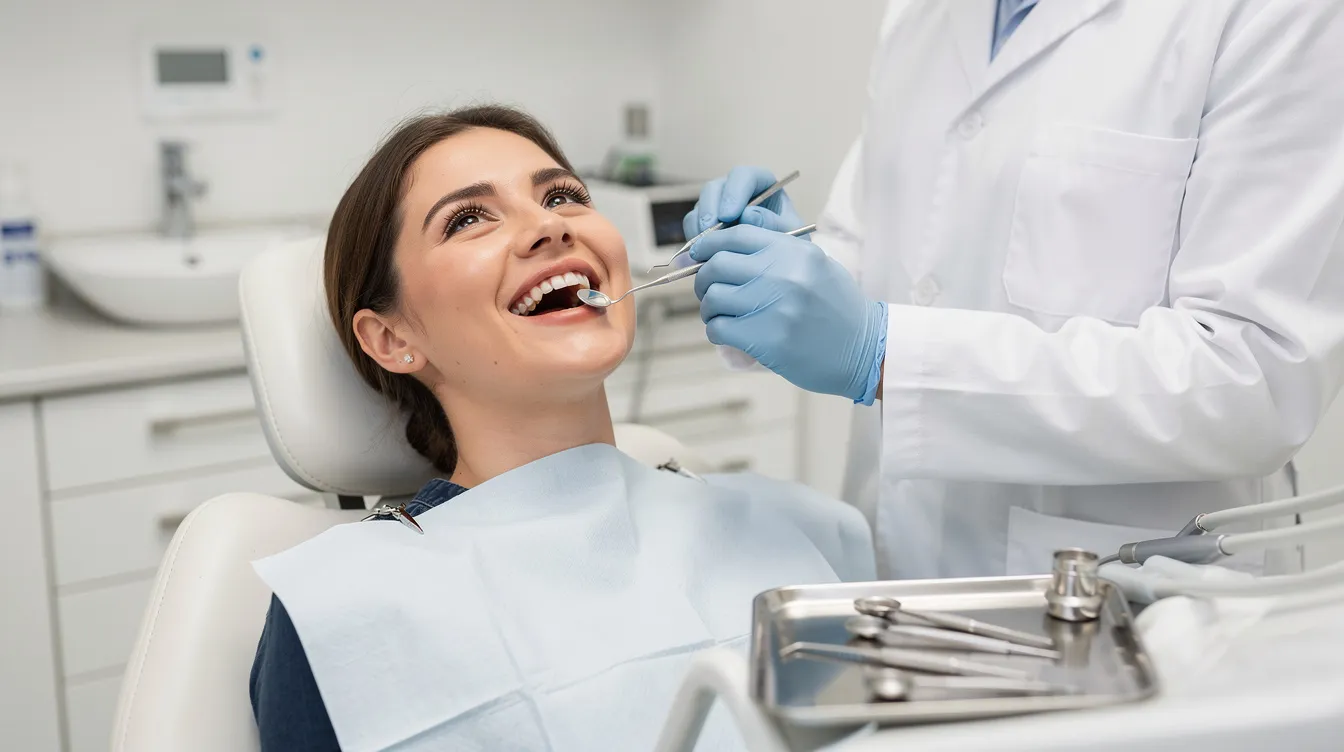
Dentists recommend visits every six months for most adults. Most people benefit from regular dental checkups on a regular basis, though some patients with low risk factors may go longer if their dentist regularly reviews their history.
A routine visit includes an exam of the teeth and gums, professional cleanings, and screening for oral cancer and neck cancers. Professional cleanings remove plaque and tartar buildup that regular brushing and flossing cannot fully remove, lowering the risk of cavities, tooth decay, and gum disease. Regular visits help maintain optimal oral health over time, and routine checkups can prevent costly dental procedures later.
A standard checkup often includes:
- Checking teeth, gums, bite, and existing dental work, because existing dental work requires periodic integrity checks
- Cleaning to remove plaque, tartar buildup, and trapped food particles
- Gum measurements to keep gums healthy
- Screening for hidden issues, oral health problems, and early oral cancer
- Advice on oral hygiene practices, brushing, flossing, and tobacco products
Visit frequency may change with age, pregnancy, medications, dry mouth, chronic illnesses that can damage oral systems, family history, or other risk factors.
Urgent Signs You Should See a General Dentist Now
Some dental problems should not wait for your next appointment. Schedule a dentist appointment if experiencing new pain or changes in the mouth.
Persistent tooth pain: Persistent tooth pain indicates an underlying dental problem. A persistent toothache signals internal decay or potential structural cracks, and quick dental care can protect the tooth from deeper infection.
Bleeding or puffy gums: Bleeding gums can be an early sign of gum disease. Bleeding or puffy gums indicate early gingivitis, while swollen or red gums indicate localized inflammation that needs treatment.
Cracked, chipped, loose, or knocked-out teeth: Structural damage to teeth requires immediate attention. Loose or shifting teeth require prompt dental care, especially after trauma.
Lost filling or crown: A missing filling can expose tooth structure to bacteria, sensitivity, and tooth decay. Repairs help address the problem before it becomes more expensive.
Abscess or facial swelling: Swelling, fever, bad taste, or spreading pain may mean infection. Seek same-day care if swelling affects breathing, swallowing, or the jaw.
Severe sensitivity: Temperature sensitivity can indicate worn enamel or exposed roots. If sensitivity is sharp, lingering, or worsening, visit the dentist within a few days.
Common Symptoms That Signal Dental Problems
Chronic bad breath may indicate underlying oral health issues. Chronic bad breath flags underlying bacterial buildup or hidden periodontal pockets, especially when oral hygiene seems good.
Tooth sensitivity to hot, cold, sweet foods, or pressure may signal worn enamel, receding gums, small cavities, or exposed roots. Do not rely only on toothpaste if symptoms persist.
Dry mouth increases the risk of rapid tooth decay and infection because saliva helps protect enamel and control bacteria. Medications, older adults’ health changes, and some medical conditions can make tailored dental care essential.
Mouth sores that don’t heal in two weeks may signal oral cancer. Mouth sores lasting 10–14 days should be evaluated to rule out infection, irritation, or more serious oral health issues.
Difficulty chewing may indicate misaligned bites or structural failure. An uneven bite may indicate shifting structural alignment, cracked teeth, jaw issues, or failing dental work.
Gums and Jaw: When Discomfort Means It’s Time to Visit
Gum health and jaw function are central to optimal oral health. Red, swollen, bleeding gums, receding gum lines, or a bad taste in the mouth can be early signs of gum disease. Receding gum lines indicate progressive tissue loss, and skipping regular dental care can allow gingivitis to become more serious.
Jaw clicking or pain can point to teeth grinding or joint disorders. Jaw pain, morning headaches, worn teeth, or stiffness may indicate TMJ problems or bite imbalance. If your gums bleed every time you floss for more than a week, or your jaw locks when chewing, book an evaluation.

Special Considerations for High Risk Groups
Some patients need frequent visits because their risk is higher. High-risk individuals may need dental visits every three months, while others may need 3–4 months of monitoring.
Smokers and people who use tobacco products face a higher risk of gum disease, delayed healing, and oral cancer. People with diabetes often have more inflammation and infection risk, making regular dental visits important.
Pregnant individuals should not delay care. Hormonal shifts during pregnancy can alter gum sensitivity, and preventive or necessary treatment is generally considered safe; see guidance on pregnancy and dental care.
Patients with a history of gum disease, frequent cavities, or many restorations often need more frequent visits and professional cleanings. People with dry mouth from medications may also need fluoride, saliva support, and closer monitoring.
Children, Teens, and Adults: Age-Based Dental Visit Guidelines
Children: Children should have their first dental exam by age one or within six months of the first tooth. After that, checkups every six months help prevent cavities.
Teens: Teens may need regular dental check-ups for braces, sports injuries, sugary drinks, and wisdom tooth monitoring.
Adults: Adults need regular dental exams to monitor fillings, crowns, tooth decay, gum disease, and oral cancer, especially after 40.
Older adults: Older adults often face dry mouth, receding gums, dentures, implants, and other issues that require regular visits.
Preventive Dental Care and Early Detection
Preventive dental care is easier, more comfortable, and less costly than advanced treatment. Regular checkups help prevent cavities and gum disease through cleanings, fluoride, sealants for children, and early detection. Many oral health problems are painless at first, so do not wait for pain.
Call a dentist if:
- Your last visit was over 12 months ago
- You have new sensitivity, swelling, or bleeding gums
- A tooth feels loose, or your bite changes
- You have mouth sores lasting two weeks
- You notice persistent bad breath, dry mouth, or difficulty chewing
A dental exam does not perform security verification like a website security service blocking malicious bots, but it does act as a form of health security. Once the dentist verifies your teeth and gums, you can think “verification successful”-no need to respond to your ID after a security verification screen.
FAQ
How do I know if my tooth pain can wait until my next checkup?
Mild cold sensitivity that disappears quickly may wait. Sharp pain, night pain, swelling, fever, or pain lasting more than 1–2 days needs prompt care.
Is it necessary to visit a dentist if my mouth feels fine?
Yes. Early cavities, gum disease, and oral cancer can start without obvious signs. Regular dental visits allow early detection.
What should I do if I notice a mouth sore that isn’t healing?
Monitor it, but schedule a visit if it lasts 10–14 days. A dentist can determine whether irritation, infection, or further testing is needed.
Can a general dentist help with jaw pain and frequent headaches?
Yes. A dentist can check for grinding, bite problems, and TMJ disorders and may recommend a night guard, bite adjustment, or referral.
How soon should I see a dentist after a tooth is chipped or knocked out?
A chipped tooth should be checked within a day or two. A knocked-out permanent tooth is an emergency, ideally treated within one hour.
Why Choose General Dentistry at Towne Dental
Why choose general dentistry at Towne Dental for your everyday oral health needs? Maintaining a healthy smile starts with consistent, comprehensive care designed to prevent problems before they begin. From routine checkups to essential cleanings, general dentistry helps protect your teeth and gums while keeping your smile bright and confident.
Get your general dentistry services at Towne Dental and experience personalized care focused on long-term oral health. Whether you need preventive treatments, fillings, or ongoing dental maintenance, our team is committed to helping you and your family achieve strong, healthy smiles in a comfortable and welcoming environment.